
Rice cultivation represents one of agriculture’s most significant sectors globally, feeding billions while simultaneously generating vast quantities of agricultural residues. What if every component of the paddy plant could be transformed into valuable products, eliminating waste entirely? Today’s agricultural innovators are pioneering zero waste paddy processing systems that convert what was once considered waste into economic opportunities while addressing pressing environmental challenges.
The Zero Waste Rice Revolution: From Farm to Multiple Value Chains
Traditional rice processing focuses primarily on grain production, often treating the remaining plant materials as waste to be burned or discarded. A zero waste approach transforms this linear model into a circular system where stems, husks, bran, and even immature grains become valuable raw materials for multiple industries.
Understanding the Challenge
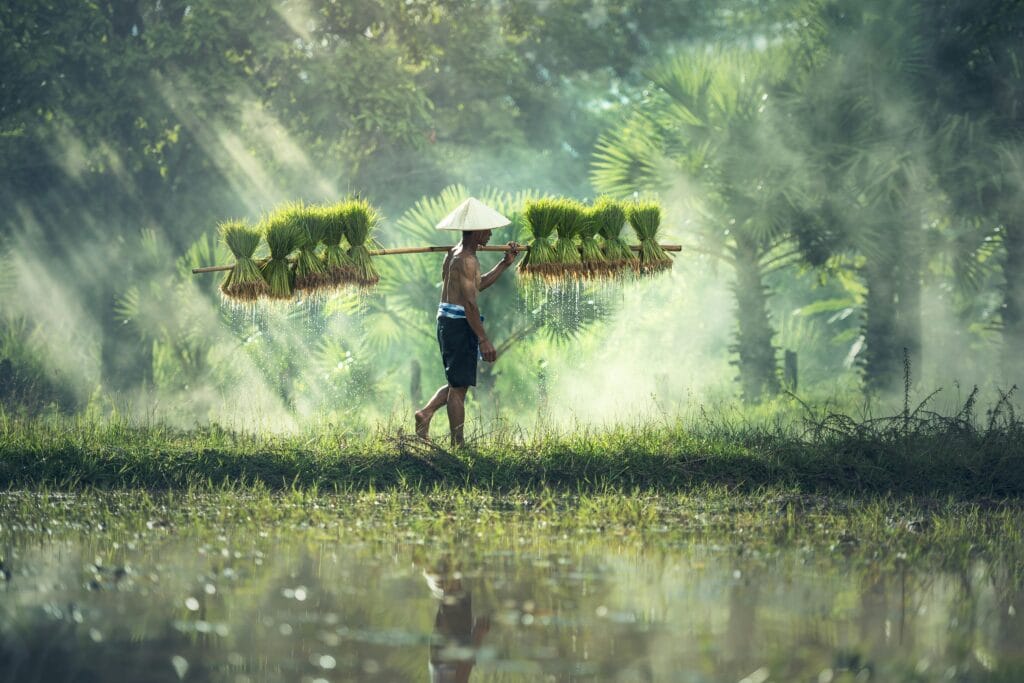
Rice is a staple food for over half of the world’s population, yet its production is fraught with challenges. Traditional rice farming generates significant agricultural waste, including crop residues such as straw, husks, and bran. Globally, rice contributes substantially to greenhouse gas emissions, with rice paddies accounting for approximately 19% of methane emissions and 11% of nitrous oxide emissions from cereals and pulses.
Furthermore, the reliance on synthetic fertilizers and pesticides depletes soil health, leading to increased production costs and environmental degradation.
Sustainable Harvesting: The First Step in Zero Waste Processing
The journey toward zero waste begins in the field with harvesting methods that preserve the quality and utility of all plant components. Modern combine harvesters can be adjusted to cut paddy at optimal heights, separating grains while maintaining straw integrity for subsequent processing.
Best Practices for Maximum Resource Recovery
- Harvest at appropriate moisture levels to reduce energy requirements in downstream processing.
- Implement precision cutting heights to optimize straw length for different applications.
- Consider collecting separate streams of plant materials (stems, leaves, chaff) when specific downstream processes require differentiated inputs.
- Minimize soil contamination during harvesting to improve quality of byproducts.
By adopting these practices, farmers establish the foundation for successful zero waste processing, ensuring that all harvested materials maintain their potential value.
1. From Straw to Paper: Creating Sustainable Packaging Solutions
One of the most promising applications for paddy straw is in the production of paper and packaging materials, offering an environmentally friendly alternative to wood-based products while providing farmers with additional income streams.
The Paper-Making Process Using Paddy Straw
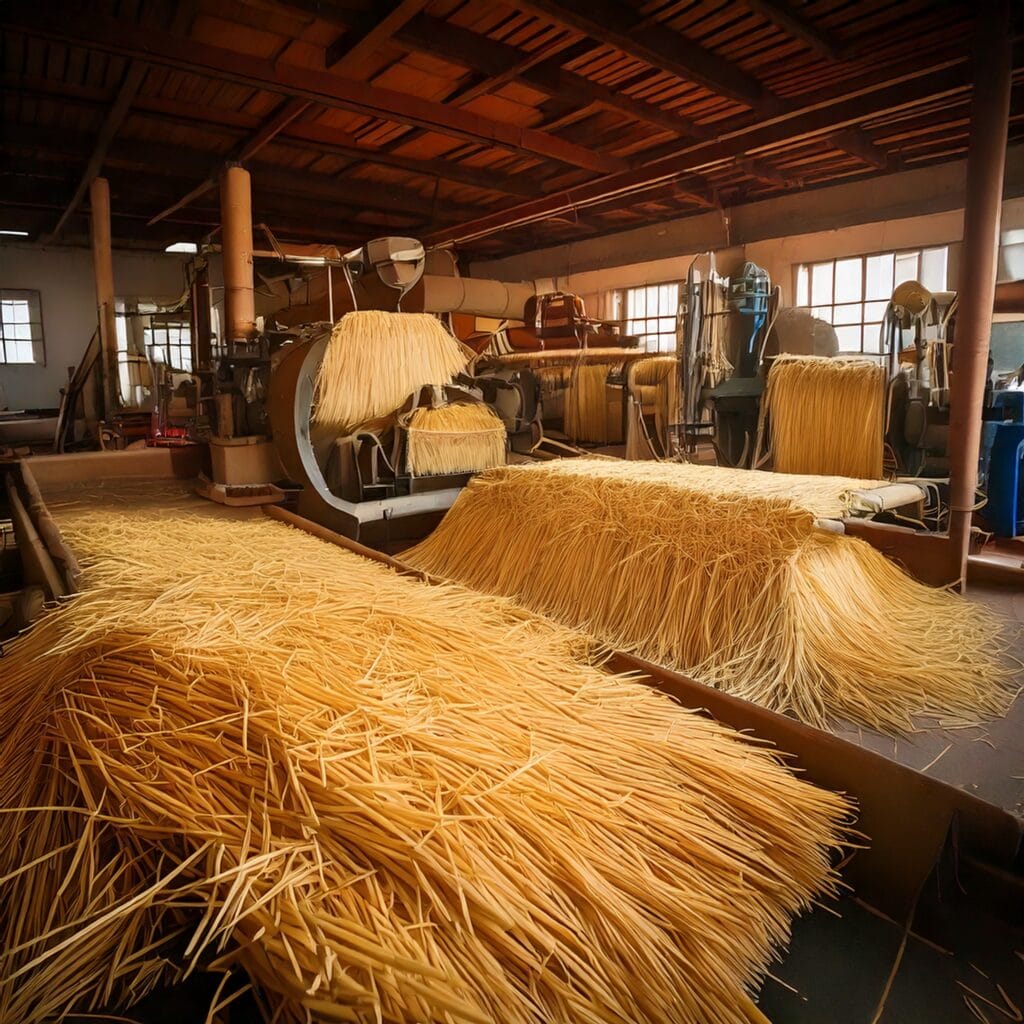
The transformation of paddy straw into paper follows several key steps:
- Raw Material Preparation: Paddy straw is cut into equal sizes of approximately 1.5 cm for efficient processing.
- Pulp Making: A common method involves using sodium hydroxide (NaOH) and sodium carbonate (Na2CO3). The straw is treated with a solution of sodium carbonate at 100°C for about 30 minutes to remove silica. Following this, it is cooked in a solution of NaOH at varying concentrations (typically between 4% to 8%) at a temperature of 170°C for one hour, with an additional holding time to enhance pulp quality.
- Bleaching: If required for certain applications, the pulp may undergo bleaching to achieve desired brightness.
- Stock Preparation: The pulp receives treatment in refiners to achieve specific qualities, with additional sizing, filling, and coloring agents incorporated as needed.
- Sheet Formation & Water Removal: The prepared stock feeds into either fourdrinier or cylindrical mould machines to form sheets, with water removal occurring through gravity, suction, pressing, and finally drying via steam-heated cylinders.
The resulting paper and packaging materials offer sustainable alternatives to plastic and wood-based products, with applications ranging from food packaging to industrial packaging solutions.
Environmental and Economic Benefits
Paper production from paddy straw delivers multiple benefits:
- Reduces demand for wood-based paper, helping protect forests
- Provides an economic outlet for agricultural residues
- Creates rural employment opportunities in processing facilities
- Produces biodegradable packaging alternatives to plastic
2. Rice Bran: The Wonder Oil Source Hidden in Plain Sight
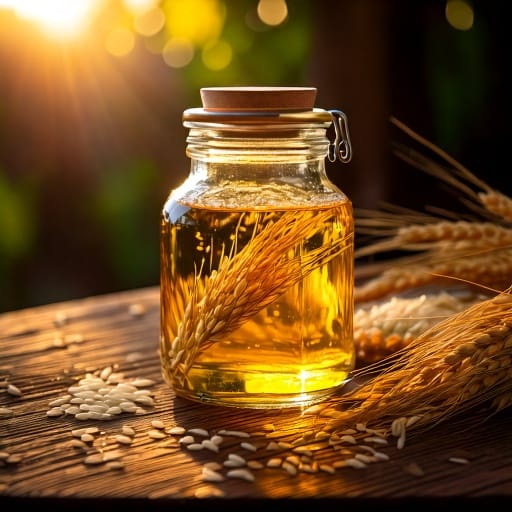
Between the paddy husk and white rice lies a golden layer with remarkable potential – rice bran. This byproduct of rice milling contains one of the healthiest cooking oils available, making it a valuable resource in zero waste processing.
Rice bran oil, often overlooked in the culinary world, is a remarkable product derived from the outer layer of rice grains. This oil is not only a staple in many Asian kitchens but also boasts an impressive array of health benefits and applications that make it a true wonder oil.
The Gold Standard in Cooking Oils
Rice bran oil is increasingly recognized as a “wonder oil” due to its unique nutritional properties and versatile applications. It contains a special antioxidant called oryzanol that contributes to its numerous health benefits.
The oil features:
- An ideal fat composition for health-conscious consumers
- Hypoallergenic properties, making it suitable for those with sensitivities to other oils
- An impressively high smoke point of 232°C (450°F), perfect for high-temperature cooking methods
- Less oil absorption into food (15-20% less), resulting in healthier, more economical cooking
Rice Bran Oil Extraction Process
Rice bran oil is extracted from the bran layer of brown rice, which is rich in nutrients. The extraction process typically involves several steps to ensure high-quality oil:
Refining: Crude rice bran oil undergoes refining to remove impurities and free fatty acids. This process includes degumming, bleaching, deodorization, and winterization, resulting in a clear, pale oil suitable for consumptionmponent that would otherwise go to waste, rice mills can significantly increase their profitability while providing consumers with a healthy cooking oil option.
Raw Material Preparation: The rice bran is initially screened and sorted. It is then heated to prevent lipase hydrolysis, which can lead to rancidity.
Oil Extraction: The oil can be extracted using mechanical pressing or chemical solvent extraction. The latter method yields more oil and is commonly used for large-scale production.
3. Transforming Processing Residues into Industrial Raw Materials
Beyond paper and oil, paddy processing generates other byproducts with remarkable potential for industrial applications. Researchers at the Indian Institute of Technology-Madras (IIT-M) are developing eco-friendly technology to upcycle paddy waste into raw materials for industrial applications.
From Farm Waste to Advanced Materials
One particularly promising application involves converting paddy waste into activated carbon, a key component in making supercapacitors. These energy storage devices have applications across electronics, energy, and agricultural sectors, potentially creating substantial new value streams from what was once considered waste.
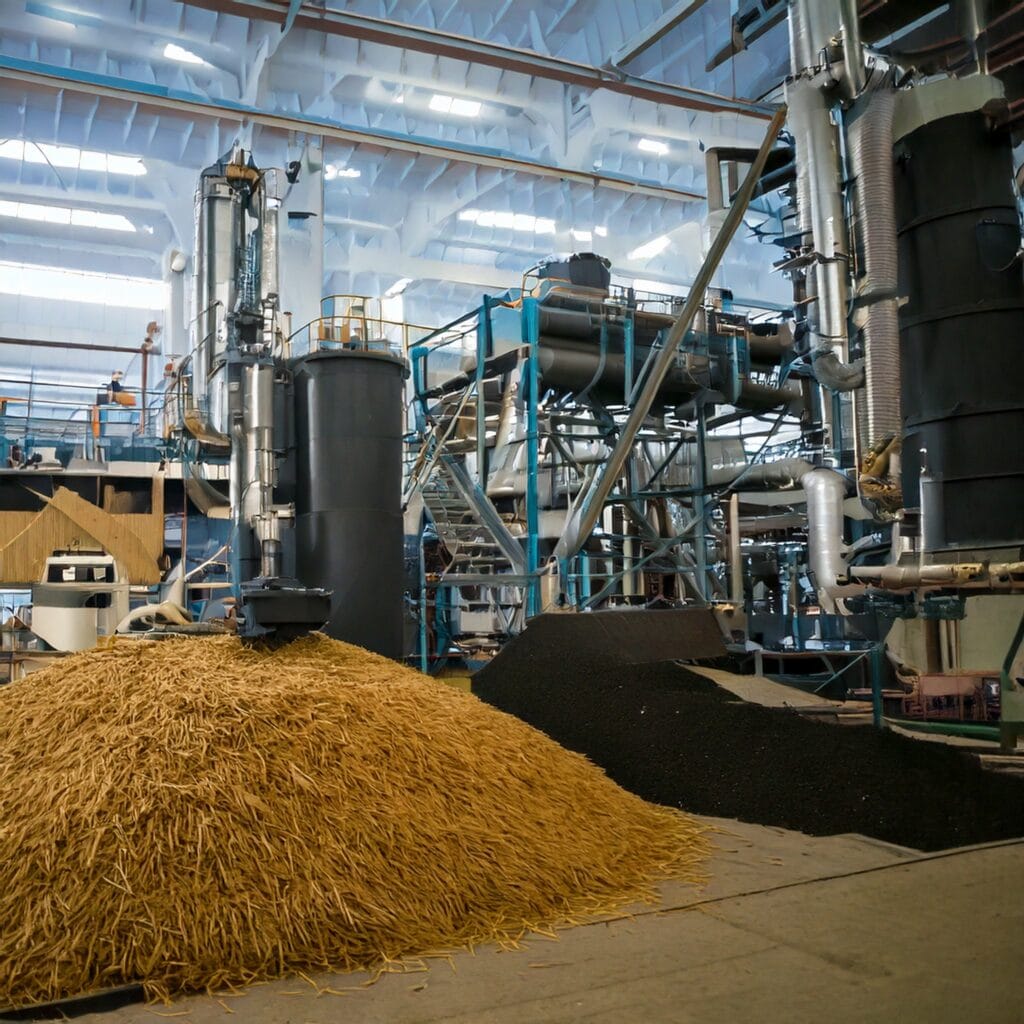
This approach creates a “Farm-Energy Synergy” that can provide additional income to farmers while addressing the serious environmental issues associated with stubble burning.
Dr. Tiju Thomas, leading the project, emphasizes that this well-defined process will allow for the production of commercial-grade carbon materials from paddy waste. The activated carbon produced can be utilized in supercapacitors that meet market standards, thereby fostering self-reliance in energy storage technologies and potentially generating significant intellectual property and employment opportunities within the country.
4. Biorefinery Approaches: Extracting Maximum Value
The concept of a paddy biorefinery represents perhaps the most comprehensive approach to zero waste processing, using advanced technologies to convert all components of rice processing waste into valuable products.
Glucose Production from Empty and Partially Filled Paddy Grain
In Malaysia, researchers have developed processes to convert empty and partially filled paddy grain (EPFG) – typically considered waste – into glucose through a biorefinery platform. This approach transforms what would normally be sent to landfill into a valuable platform chemical with numerous applications.
Life cycle assessment (LCA) studies of this process have shown that when all EPFG fractionation is utilized to replace fossil-based electricity, environmental impacts are significantly reduced. Sensitivity analysis indicates that increasing glucose yield leads to further environmental benefits, suggesting continued optimization could make this approach even more sustainable.
Bioenergy Production
Paddy straw and other residues represent excellent feedstocks for various bioenergy applications, including:
- Biogas Production: Through anaerobic digestion, paddy residues can be converted into methane-rich biogas for cooking, heating, or electricity generation.
- Biofuels: Advanced conversion technologies can transform paddy residues into liquid biofuels.
- Thermal Energy: Direct combustion in specialized boilers can provide heat for various agricultural and industrial processes.
These bioenergy applications offer farmers additional revenue streams while contributing to renewable energy goals and reducing dependence on fossil fuels.
5. Recent Innovations Expanding the Value Portfolio
Ongoing research continues to uncover new potential applications for paddy processing residues. Recent technological advances have demonstrated the feasibility of converting paddy straw into products including:
- Sugar and ethanol for food and fuel applications
- Specialized fibers for textiles and composites
- Advanced biomaterials for various industrial applications
These innovations continue to expand the potential value that can be extracted from what was once considered mere waste, further strengthening the economic case for zero waste approaches.
Implementing Zero Waste Systems: Practical Considerations
While the potential benefits of zero waste paddy processing are substantial, implementation requires careful planning and consideration of local conditions.
Infrastructure and Technology Requirements
Different processing pathways require specific equipment and facilities, with capital costs varying based on scale and complexity. Farmers and processors should evaluate:
- Local availability of processing technology
- Transportation logistics for moving residues to processing facilities
- Market demand for final products
- Training requirements for operating new systems
Collaborative Approaches
For many farmers, especially smallholders, individual investment in complex processing systems may be prohibitive. Cooperative models that allow farmers to pool resources and share benefits can make these approaches more accessible. Similarly, partnerships between farmers, processors, and end-product manufacturers can create value chains that benefit all participants.
Conclusion: Toward a Truly Circular Rice Economy
Zero waste paddy processing represents a significant shift in how we view agricultural production – from a linear system focused on a single product to a circular model that captures value from every component of the plant. This approach offers multiple benefits:
- Improved farmer incomes through multiple revenue streams
- Reduced environmental impacts, particularly from field burning
- Production of sustainable alternatives to fossil-based products
- Enhanced resource efficiency and conservation
By recognizing and harnessing the value of all paddy components, we can transform rice cultivation into a model of circular economy principles in action. This not only benefits today’s farmers but contributes to a more sustainable agricultural system capable of meeting future food needs while addressing pressing environmental challenges.
As research continues to uncover new applications and processing methods, the potential value extractable from paddy residues will likely continue to grow, further strengthening the case for comprehensive zero waste approaches. For forward-thinking agricultural producers, processors, and policymakers, now is the time to embrace these innovative systems that transform waste into wealth.